Pannonhalma: Best wineries, wine tastings and wines
Top suppliers
More wineries

Best wine tastings
More wine tastingsPannonhalmi Főapátság wine tasting with a combined cellar tour and walking tasting
Pannonhalmi Főapátság wine tasting with a combined cellar tour and walking tasting
Recommended accommodation nearby
All accommodations

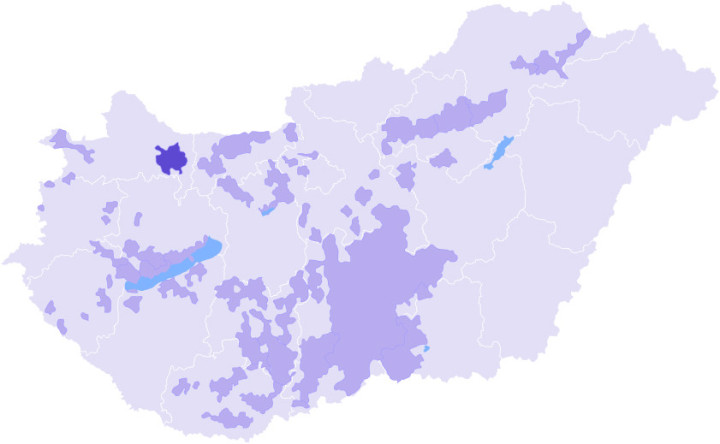
What Makes the Pannonhalma Wine Region Special?
A Brief History
The history of Pannonhalma and its Abbey could fill entire books, so here’s a brief summary. The town was inhabited as early as Roman times, known then as Civitas Pannonia. It was later renamed Győrszentmárton (it only received the name Pannonhalma in 1965), but its true rise began with the arrival of the Benedictines in 996. Along with them, winemaking took root, as evidenced by the founding charter of the Pannonhalma Abbey. Over the next centuries, wine production became a key activity. A record from 1237 notes that in the 90 villages belonging to the Abbey, 256 families were involved in viticulture, with 173 living in the villages of the Pannonhalma hills.
Like many areas in Hungary, Pannonhalma was depopulated during the Turkish occupation, and its flourishing wine culture faded away. After the Turks were expelled, viticulture quickly revived, providing livelihoods for many families across the region’s rolling hills. However, the phylloxera epidemic in the 19th century destroyed about 80% of the vines.
After the epidemic, Olaszrizling became the dominant grape variety in the region, and since 1980, Pannonhalma has officially been a recognized wine region. Although it never regained its former size—previously covering nearly 2,000 hectares, today only 638 hectares are cultivated—Pannonhalma remains one of Hungary’s smallest yet most charming wine regions.
Natural Features
The climate and soil of the Pannonhalma wine region are not particularly extraordinary. The annual rainfall is 600-650 mm, and the average temperature hovers around 10°C. However, with 2,000 hours of sunshine annually and evenly distributed rainfall, the region is well-suited for grape cultivation. The soil in the 638-hectare wine region consists mostly of loam, loess, and brown forest soil, with vineyards primarily located on the north-northwest and south-southeast slopes of the Pannonhalma hills.
Planted Grape Varieties
White Grape Varieties:
- Irsai Olivér
- Királyleányka
- Olaszrizling
- Rhine Riesling
- Rizlingszilváni
- Tramini
- Zefír
Red Grape Varieties:
- Cabernet Sauvignon
- Kékfrankos
- Merlot
- Pinot Noir
- Szürkebarát (Pinot Gris)
- Zweigelt
What Wineries Can You Find in the Region?
Rich Experiences Await
When it comes to wine tastings, the Pannonhalma wine region has nothing to be ashamed of. Despite its small size, the region offers unique experiences. A standout option is the Pannonhalma Archabbey Winery, where you can combine a cellar tour with tastings of premium white wines. Other wineries also offer tastings, with some featuring the rare red wines of the region.
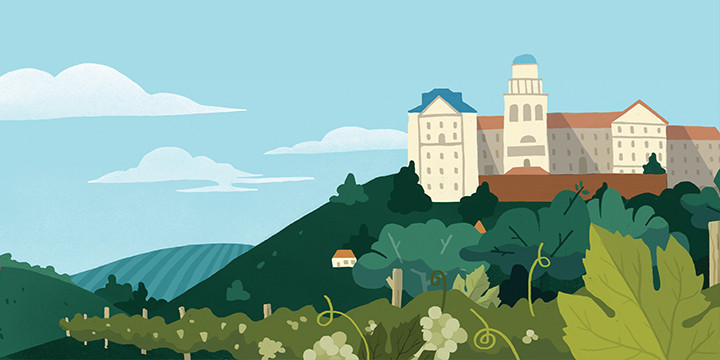
While visiting Pannonhalma, the Abbey is a must-see. Over 1,000 years of history come to life before your eyes. Beyond wine, the Abbey also offers a brewery and restaurant. If you’re craving more cultural experiences, the Abbey complex houses a collection of paintings, engravings, coins, and antiquities. Its surrounding arboretum features hundreds of tree and shrub species, as well as herbs.
The Pannonhalma wine region consists of more than just one town. For example, Felpéc boasts a beautiful Baroque Lutheran church, and in Ravazd, you can see the well-house where, according to legend, King Béla IV drank from a spring in 1241. Nyúl offers several attractions, including a Baroque Catholic church, the St. Donatus chapel, and an observatory.
Before heading out, it’s worth checking the local events calendar, as there are many to choose from. During the Vince Day Wine Cellar Tour, you can get a behind-the-scenes look at local wineries. In spring, the BorCamino combines wine tasting with hiking, while the annual Wine Days festival in Győr is also a highlight. Pannonhalma hosts its own festival in October, and if you visit later in the year, be sure to attend the St. John’s Day wine blessing.
Famous Wineries
- Ács Winery
- Babarczi Vineyard
- Cseri Winery
- Hangyál Winery
- Miklós Horváth Winery
- Németh Cellar
- Pannonhalma Archabbey Winery
- Pécsinger Vineyard and Winery
- Pincekultúra, Győrújbarát
- Szemenyei Family Winery
- Tar Winery
Head to Pannonhalma and explore this jewel-like wine region—book your wine-tasting experience on our site today!
Follow us
Follow us on Instagram and Facebook to stay up to date with the latest news and updates!
Newsletter
Subscribe and receive a HUF 1000 wine tasting coupon!