 Hellowine
OUR HIGHLIGHTSPR
Az oldal sütiket használ
Az oldal sütiket és egyéb nyomkövető technológiákat alkalmaz, hogy javítsa a böngészési élményét, azzal hogy személyre szabott tartalmakat és célzott hirdetéseket jelenít meg, és elemzi a weboldalunk forgalmát, hogy megtudjuk honnan érkeztek a látogatóink.
Hellowine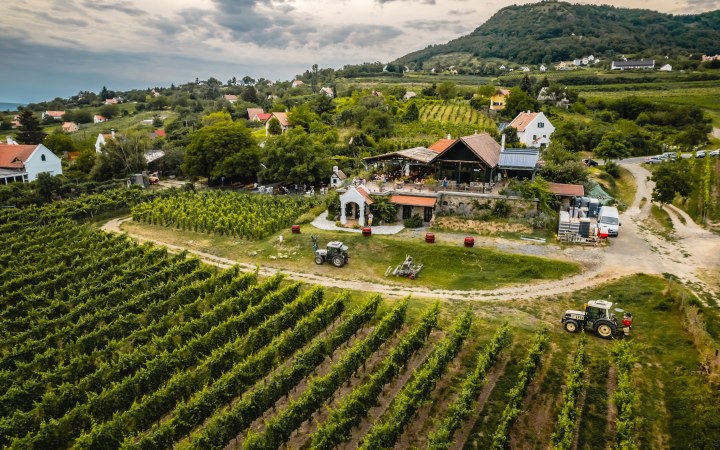

Advertisement
Lake Balaton is famous for its summer holidays, beautiful landscapes and excellent white wines. But beyond the beaches and panoramic wine terraces, another story is unfolding in the vineyards: an increasing interest in environmentally conscious viticulture and winemaking.
For many wine lovers, choosing a bottle is no longer just about grape variety, vintage or price. The way the grapes are grown and the wine is produced matters, too.
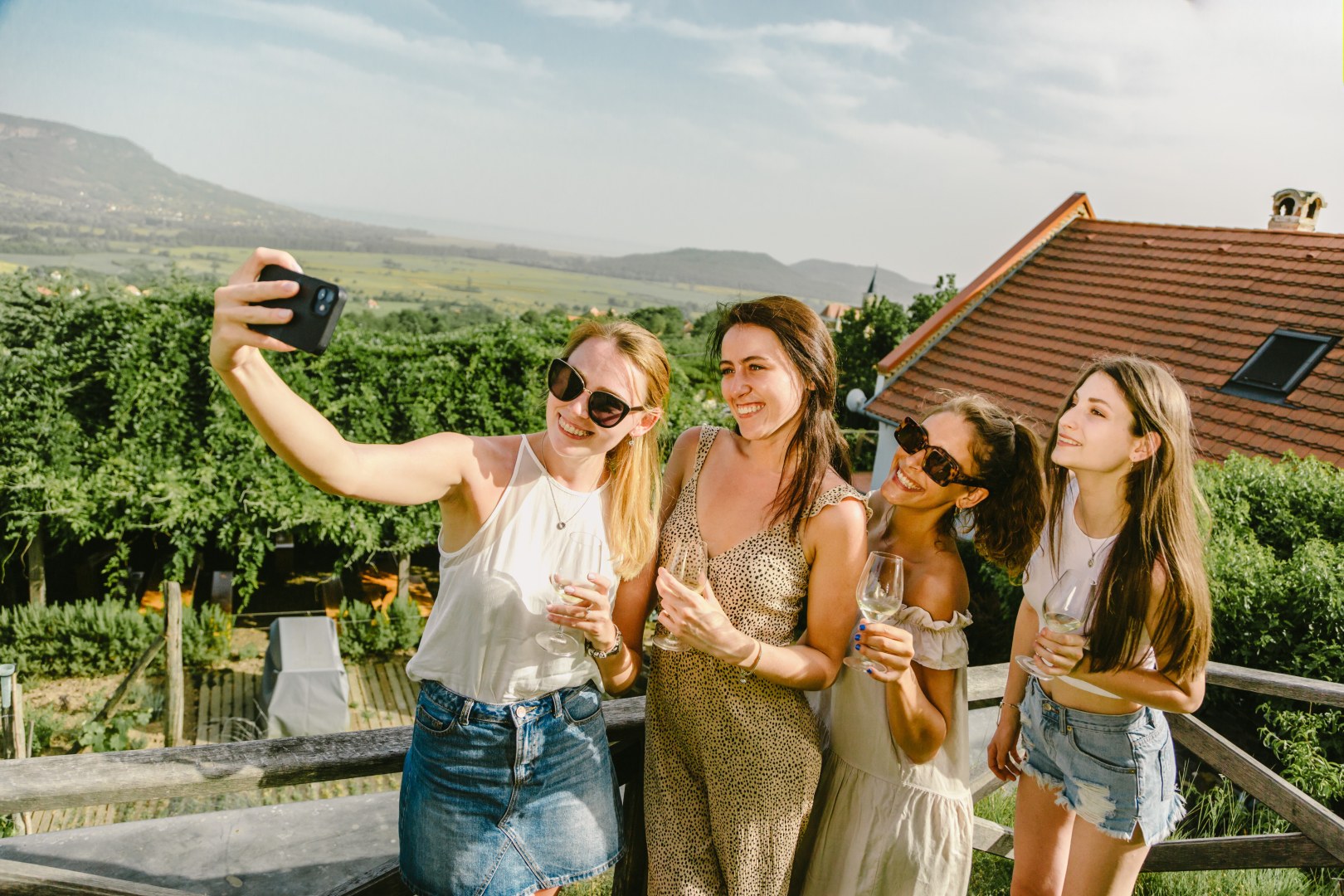
Around Lake Balaton, several wineries have embraced organic farming or adopted practices designed to work more closely with nature. Some hold official organic certification, while others follow similar principles without using the certified organic label.
But what exactly is organic wine? Is it the same as natural wine? And where can you discover these wines during a trip to Hungary?
Let's explore the fascinating world of organic wineries around Lake Balaton.
Organic wine begins in the vineyard.
In the European Union, certified organic wine must meet specific requirements covering both grape growing and winemaking. These rules restrict the use of certain synthetic agricultural chemicals and regulate which substances and processes may be used in the cellar.
Organic viticulture places particular emphasis on maintaining soil health, supporting biodiversity and managing vineyards within an established framework of permitted practices.
However, organic does not mean that a vineyard is never treated against pests or diseases. Certain plant protection products are permitted under organic regulations, and growers must still protect their vines from problems such as powdery mildew and downy mildew.
Producing certified organic wine also involves inspections, documentation and a conversion period before vineyards can qualify for organic status.
For consumers, certification provides a useful way to distinguish officially recognised organic wines from bottles marketed using broader environmental claims.
When buying wine in the European Union, look for the EU organic logo, often called the Euro-leaf.
This green symbol indicates that the product meets the applicable EU organic production and certification requirements.
Certified organic products also carry information identifying the relevant control body or authority.
For travellers exploring Hungarian wine regions, these details can be particularly helpful when choosing between producers with different approaches to vineyard management.
These terms often appear together in conversations about sustainable wine, but they are not interchangeable.
Organic wine follows legally defined production standards. When certified, its status is independently checked.
Biodynamic wine is associated with a broader agricultural philosophy that treats the vineyard as an interconnected living system. Biodynamic producers may follow additional farming practices and seek specific private certifications. Biodynamic methods and organic certification are not automatically the same thing.
Natural wine generally refers to wines made with minimal intervention in the cellar, often using spontaneous fermentation and limited additives. However, the term does not have one universally applied legal definition across international wine markets.
A winery may combine elements of these approaches, but visitors should not assume that a wine described as natural, sustainable or low-intervention is necessarily certified organic.
Understanding these differences makes exploring Hungary's evolving wine scene even more rewarding.
The Lake Balaton wine region is an especially interesting place to explore environmentally conscious winemaking.
The northern shore is characterised by volcanic hills, varied soils, traditional vineyards and the moderating influence of Central Europe's largest lake.
Many wineries here are closely connected to the surrounding landscape. For family-owned estates in particular, vineyard management is not simply a production decision: it can also reflect a commitment to preserving land for future generations.
Organic farming may involve additional labour, careful observation and different approaches to soil and plant health.
It also creates an opportunity for visitors to learn more about how wine is produced, rather than focusing exclusively on what ends up in the glass.
A winery visit can reveal the practical decisions behind the wines, from vineyard cultivation to fermentation and ageing.
The following wineries were featured in the original Hungarian Hellowine article for their connections to organic farming or nature-conscious winemaking.
Because certification and production practices can change, visitors should confirm each producer's current status directly before treating a particular wine as certified organic.
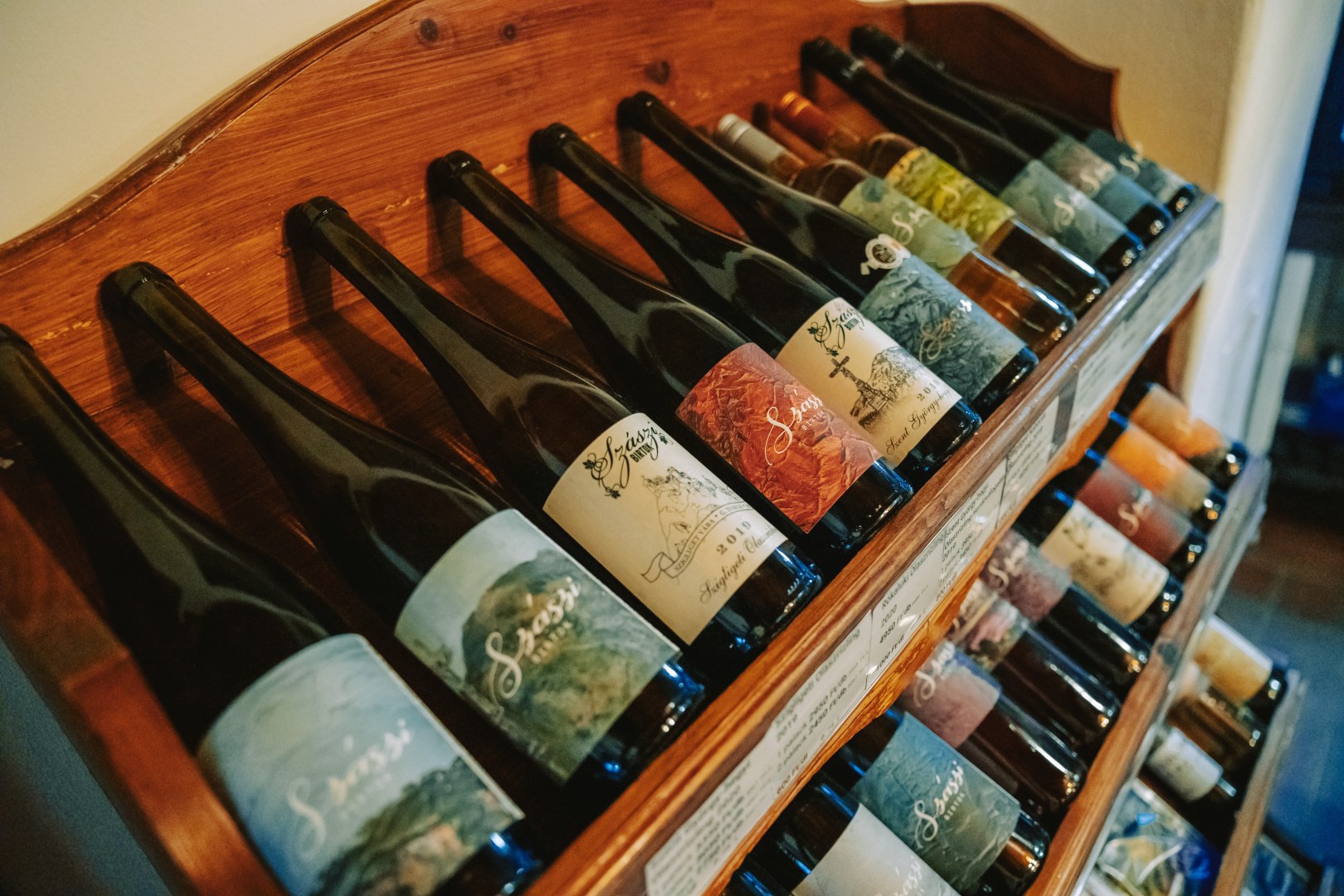
Located in Hegymagas, on the slopes of Szent György Hill, Szászi Estate is one of the best-known names associated with organic viticulture in the Badacsony area.
The estate was among Hungary's early adopters of certified organic grape growing, helping establish an important example for environmentally conscious winemaking in the region.
Szent György Hill is one of the distinctive volcanic hills of the Balaton Uplands. Its vineyards offer beautiful views and a fascinating setting in which to discover local wines.

The area's white grape varieties, including Olaszrizling, provide an excellent introduction to the region's character.
For wine enthusiasts interested in the relationship between vineyard farming, terroir and wine quality, Szászi Estate is a particularly relevant name to explore.
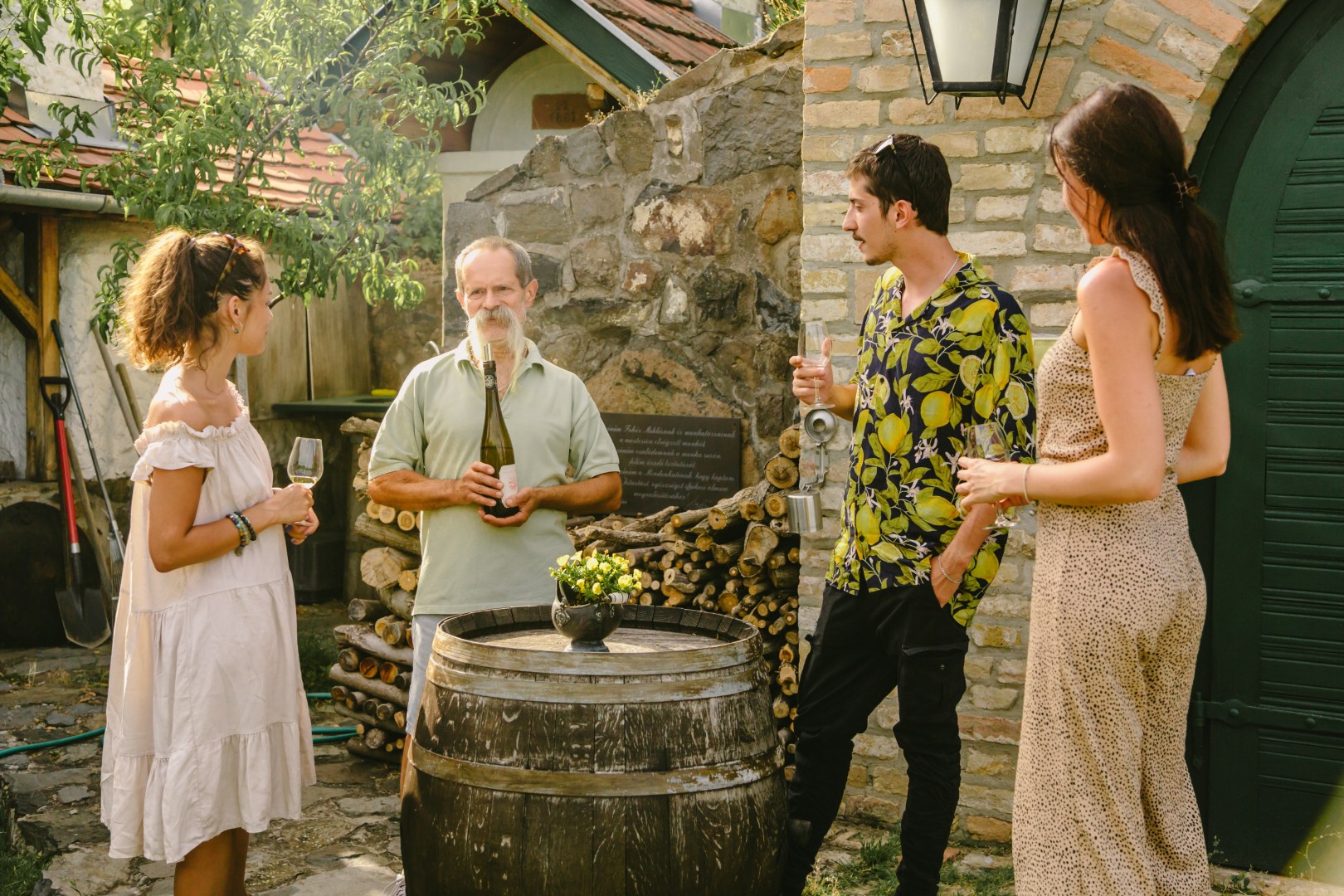
A guided tasting can also provide an opportunity to learn about the estate's approach to grape growing and winemaking.
Also located in Hegymagas, Nyári Winery offers another perspective on the region's winemaking traditions.
The original Hellowine article highlighted Nyári Winery as a producer associated with organic-minded vineyard practices and an approach that seeks to preserve the natural expression of individual vintages.
Its location near the volcanic witness hills makes the surrounding landscape an important part of the experience.

The scenery is particularly memorable for visitors who want to combine wine tasting with exploring the Balaton Uplands.
Nyári Winery is a good example of why it is important to distinguish between a producer's stated farming philosophy and independently certified organic status.
When visiting, ask about the estate's current vineyard practices, grape varieties and winemaking methods. These conversations can be just as interesting as the tasting itself.
The village of Dörgicse, north of Lake Balaton, is known for its peaceful rural atmosphere, historic surroundings and vineyards.
Here, Madaras Winery was highlighted in the original Hungarian article as a producer favouring nature-conscious winemaking practices without the formal organic certification described for some other estates.
Small wineries can offer particularly personal experiences, where visitors have the chance to learn about the choices and challenges involved in cultivating grapes.
For travellers interested in exploring beyond the region's most famous wine destinations, Dörgicse is a worthwhile addition to a Lake Balaton itinerary.
As with any winery described as following organic principles without certification, it is worth asking the producer directly about current practices rather than assuming that all wines meet certified organic standards.
Tagyon Hill, overlooking the Balaton Uplands, is another destination associated with distinctive local wines and beautiful vineyard scenery.
Martinus Estate was included in the original Hellowine article as a producer offering officially certified organic wines.
Its location provides a different perspective on the northern Balaton wine landscape, away from the busiest lakeside destinations.
For visitors seeking a broader understanding of Hungarian organic wine, the estate is an interesting name to investigate alongside producers in the Badacsony area.
Before planning a visit, check current tasting arrangements and the certification status of the specific wines you would like to try.
One of the most common questions among wine lovers is whether organic wines have a recognisable flavour. The answer is not straightforward.
Organic certification describes how grapes are grown and wines are produced. It does not prescribe one particular taste.
An organic Olaszrizling from the volcanic slopes of Badacsony may taste very different from an organic wine produced in another Hungarian region.
Grape variety, climate, soil, vintage, harvesting decisions and cellar techniques all influence the final result.
Some wine lovers are attracted to organic producers because of their farming philosophy, while others simply discover wines they enjoy.
The best way to understand these differences is to taste several wines, ideally with a winemaker who can explain the vineyard and cellar practices behind them.
One of the advantages of exploring Lake Balaton's wineries is that wine tourism can easily be combined with other activities.
The northern shore offers scenic hiking trails, historic villages, panoramic viewpoints and restaurants serving regional dishes.
If you are interested in organic and nature-conscious wineries, consider building your trip around a few nearby destinations.
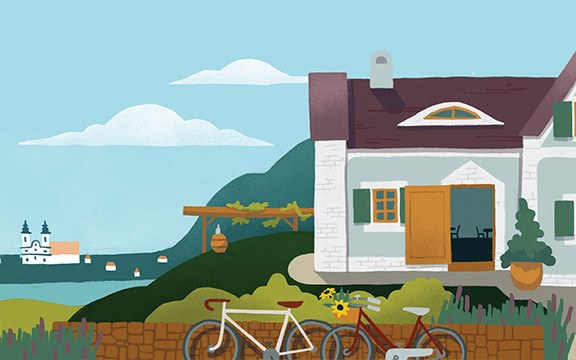
Hegymagas and Szent György Hill make an excellent starting point, with their volcanic scenery and connections to Szászi Estate and Nyári Winery.
Dörgicse offers a quieter village atmosphere and opportunities to discover the wine culture of the Balaton Uplands.
Tagyon Hill adds another scenic wine destination to a longer itinerary.
Rather than attempting to visit several wineries in one afternoon, allow enough time to appreciate each location and its wines.
For a relaxed experience, arrange accommodation nearby or organise suitable transport in advance.
Although Lake Balaton is best known as a summer destination, its wineries can be rewarding throughout the year.
Spring brings fresh vineyard growth and pleasant weather for exploring the countryside.
Summer offers long evenings, outdoor terraces and the opportunity to combine wine tasting with lakeside activities.
Autumn is an especially fascinating time for wine enthusiasts, as the harvest season brings new energy to the vineyards and cellars.
Winter offers a quieter atmosphere, although winery visits may require advance arrangements.
Whatever the season, always check opening times, tasting availability and language options before travelling.
Organic and nature-conscious winemaking adds an interesting dimension to the Lake Balaton wine experience.
It encourages visitors to look beyond the label and consider the people, vineyards and farming decisions behind each bottle.
From the volcanic slopes of Szent György Hill to the quieter landscapes of Dörgicse and Tagyon, the region offers opportunities to explore both established wine traditions and changing approaches to viticulture.
Whether you are passionate about certified organic wine or simply curious about how Hungarian winemakers work with their environment, Lake Balaton is an excellent place to begin.
Explore wine tasting experiences around Lake Balaton with Hellowine, discover local grape varieties and meet the people who bring this remarkable wine landscape to life.
Advertisement
Hellowine
From volcanic vineyards and distinctive Hungarian white wines to panoramic hiking trails and historic...
 Fógel Dorottya

The name Tokaj is indelibly linked with Tokaji Aszú, the wine that graced the tables of historical...
 Sólyom Bence

One of the country's most popular wine destinations is undoubtedly the Villány wine region, and within it,...